Hybrid revolution takes root in Wales as four clubs embrace new SIS hybrid cricket pitch technology
Hybrid revolution takes root in Wales as four clubs embrace new SIS hybrid cricket pitch technology
Haverfordwest, Gwersyllt Park, Swansea and Civil Service, and Newport Fugitives are among the clubs leading the way as SIS hybrid cricket pitches make their debut across Wales in 2026, offering the potential for greater consistency, durability and more opportunities to play.
A new era for grassroots cricket in Wales is under way, with SIS hybrid cricket pitches installed at four clubs across the country for the first time this year.
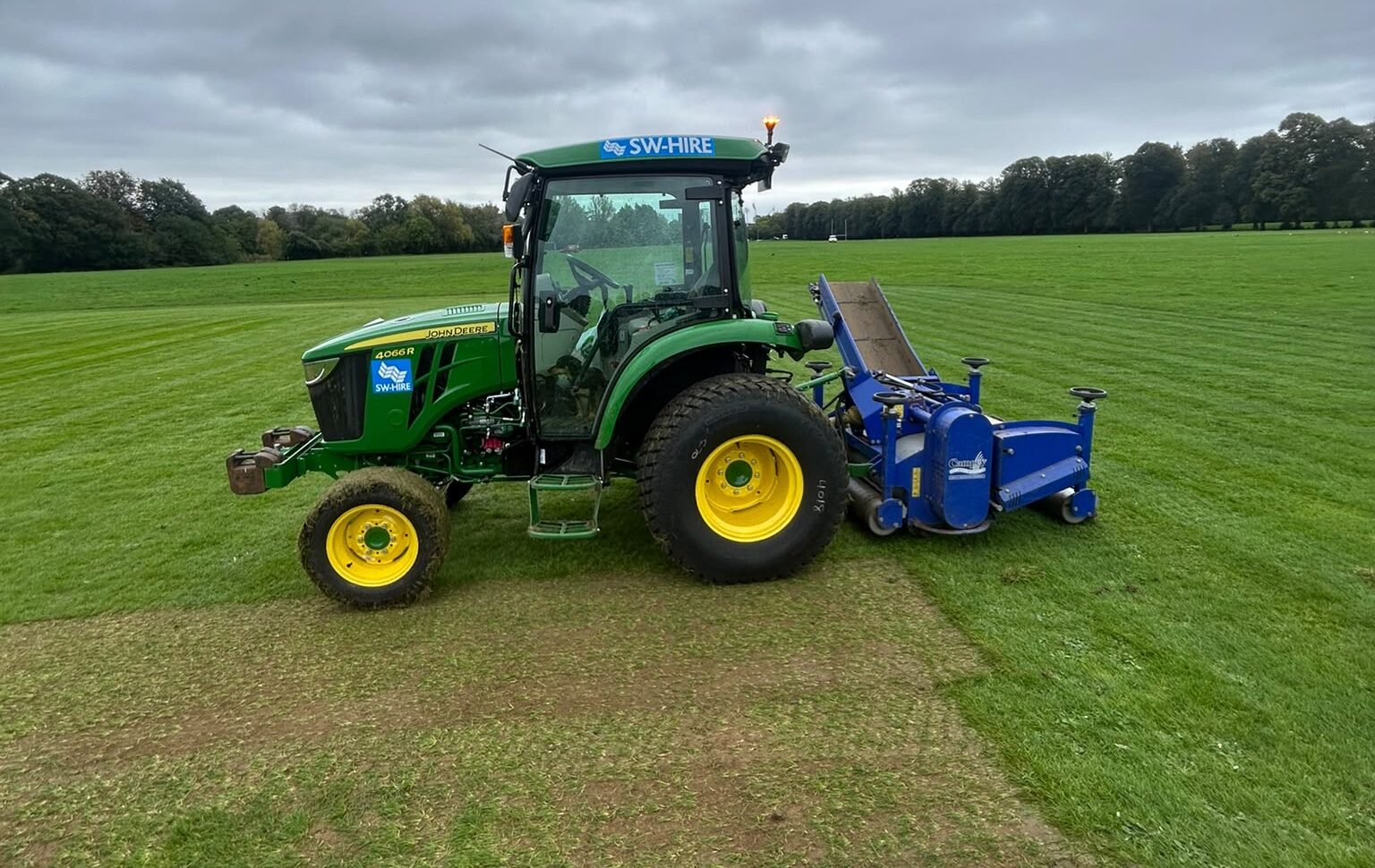
Combining natural grass with reinforced synthetic fibres, the technology is designed to strengthen playing surfaces, improve consistency and help grounds teams manage the demands of increasingly busy fixture schedules.
For clubs balancing senior league cricket, junior development and growing participation, the potential benefits are significant. Early experiences at Haverfordwest and Gwersyllt Park are already providing valuable insight into how the technology performs in real match conditions, while Swansea and Civil Service have demonstrated the importance of quality playing facilities as part of a wider ground development programme.
More cricket from every pitch at Haverfordwest
At Haverfordwest, the demands of four senior teams, alongside women’s and junior cricket, place considerable pressure on the square. League and cup fixtures, development cricket and neutral-ground commitments all contribute to a busy schedule.
The introduction of SIS hybrid pitches offers an opportunity to spread that workload more effectively, helping the club accommodate more fixtures while protecting its traditional grass pitches.
During the first season, the club reported that conventional grass pitches would typically accommodate two or three matches, compared with six or more on each hybrid pitch. With pitch preparation previously taking around 30 hours a week, the potential to increase usage while managing wear and tear is a significant attraction.
Early feedback from players has also been encouraging, with reports of consistent bounce and good pace. Batters found little noticeable difference in how the ball behaved against seam or spin compared with a conventional grass pitch.
The new surfaces were also tested during a three-day Cricket Wales Under-14 festival, where hybrid and natural turf pitches were used during the event. Feedback highlighted the consistency of bounce, including in conditions affected by rain.
The experience has provided an encouraging indication of how hybrid technology could support representative cricket while delivering a reliable surface for players and officials.
Encouraging signs at Gwersyllt Park
In North Wales, Gwersyllt Park has installed two hybrid pitches to help manage the demands of senior, junior and women’s cricket.
With a busy fixture programme, the challenge has been to ensure that heavily used natural grass pitches remain in good condition throughout the season. The hybrid surfaces offer another option for managing that workload.
During 2026, the club recorded 12 matches played on the hybrid pitches, with durability and consistency of bounce among the encouraging features.
The match data also included a team total in the high 200s and an individual century, demonstrating that the surfaces have been used in competitive cricket. Further seasons of data will help establish how scoring and overall performance compare with traditional grass pitches over time.
As at Haverfordwest, the first season has also highlighted the importance of effective grounds management. Watering, mowing and the management of the synthetic fibres all play an important role in ensuring the technology delivers its intended benefits.
Swansea and Civil Service: quality facilities make a difference
At Swansea and Civil Service, the introduction of hybrid technology comes against the backdrop of a major investment in playing facilities.
In a notable achievement, the club recorded the second-highest grounds score in the Premier League during a season in which a brand-new square had been laid.
That result underlines the importance of quality grounds management, investment and attention to detail in delivering playing surfaces capable of meeting the demands of competitive cricket.
Alongside Haverfordwest, Gwersyllt Park and Newport Fugitives, Swansea and Civil Service form part of a wider Welsh cricket initiative exploring how SIS hybrid technology can help clubs meet the demands of the modern game.
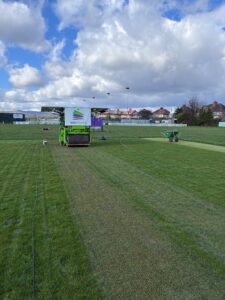
The benefits of SIS hybrid technology
Hybrid pitches combine natural turf with synthetic fibres that reinforce the playing surface. When correctly installed and maintained, the technology offers several potential benefits for clubs:
- Stronger root systems: the synthetic fibres help reinforce the rootzone, supporting root strength and helping the natural grass withstand the demands of repeated play.
- Improved surface stability: the reinforced structure can help the pitch retain its integrity under regular use.
- More consistent playing conditions: hybrid surfaces can help deliver reliable bounce and pace, supporting a positive experience for batters, bowlers and fielders.
- Increased pitch usage: individual hybrid pitches may be able to accommodate more matches, helping clubs manage busy fixture programmes.
- Better workload management: spreading matches across suitable hybrid pitches can help reduce pressure on other natural turf pitches.
- Support for participation: additional playing capacity can help clubs accommodate senior, women’s and junior fixtures, as well as festivals and representative cricket.
The benefits will depend on the condition of the square, installation quality, weather and ongoing maintenance. Hybrid pitches are not maintenance-free, and good grounds management remains essential.
Is your club suitable for a hybrid pitch?
For clubs interested in exploring SIS hybrid technology, the first step is to speak to your Club Development Partner.
Before a hybrid pitch can be installed, a Pitch Power report is required to assess the suitability of the square. This assessment helps establish whether the existing playing surface and underlying conditions are appropriate for installation.
It is also essential that the square has no thatch before installation. Thatch is the layer of dead and decomposing organic material that can accumulate between the grass and the soil. Its presence can affect the condition of the playing surface, so the square must be appropriately prepared before the installation process begins.
Early discussion with your Club Development Partner will help clubs understand the assessment process, the preparation required and the grounds management considerations involved in making the investment a success.
New technology still needs good grounds management
The first season has shown that hybrid pitches are not maintenance-free.
The exceptionally dry summer of 2026 placed particular pressure on watering regimes. At Haverfordwest, water requirements were higher than anticipated, and a lack of water contributed to cracking on one hybrid pitch. This highlighted the importance of an effective irrigation plan and regular monitoring during prolonged dry weather.
Grounds teams have also had to adapt their routines, with mowing heights, scarification, spiking and the management of synthetic fibres all requiring attention.
These experiences underline the importance of combining the benefits of new technology with appropriate equipment, reliable watering and skilled grounds management.
Building for the future
The arrival of SIS hybrid pitches at four Welsh clubs marks an exciting development for the game.
The early experience at Haverfordwest points to the potential for increased use of individual pitches and consistent playing conditions, while Gwersyllt Park’s first season has highlighted the durability of the surfaces and the importance of effective maintenance.
Swansea and Civil Service’s achievement in securing the second-highest grounds score in the Premier League during a season when a new square was laid further demonstrates the value of investment and high standards in grounds management. As the clubs build on their first season, their experiences could help inform others considering whether hybrid technology is right for their facilities.
For Welsh cricket, the aim is clear: combine innovation with traditional grounds management expertise to protect playing surfaces, accommodate more fixtures and create more opportunities for players at every level.
Interested in having a hybrid pitch installed at your club? Speak to your Club Development Partner to discuss a Pitch Power assessment, square suitability and the preparation required before installation.